A bathroom renovation is one of the most disruptive jobs you can take on in a home, and also one of the easiest to get wrong in ways that only become obvious once the tiles are down and the plumber’s gone home. Most of the expensive mistakes we see in Middlesbrough homes aren’t down to bad workmanship. They’re down to decisions made, or skipped, before any work even started.
Underestimating What’s Actually Behind the Walls
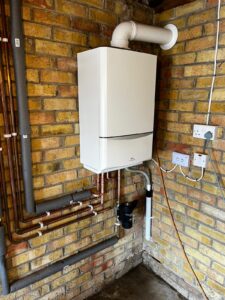
Older Middlesbrough properties, particularly anything pre war or mid century, often have plumbing and electrics that don’t match what’s shown on paper, if there’s any record at all. Homeowners who plan a layout purely around what looks good can end up facing unexpected costs once walls are opened up and the existing pipework turns out to be in a different place, or a different condition, than expected.
A proper survey before finalising the design catches most of this early, when moving a pipe run is a planning decision rather than an expensive on site surprise.
Skipping Proper Ventilation
Ventilation is one of the least glamorous parts of a bathroom renovation, and it’s also one of the most commonly under specified. A bathroom without adequate extraction will eventually show it, through condensation, peeling paint, or worse, damp and mould behind tiling that looks fine on the surface.
This matters even more in bathrooms without an external window, which need a properly sized, correctly ducted extractor fan rather than whatever unit happens to fit the budget. Getting this right at the planning stage costs far less than dealing with damp a year or two down the line.
Underestimating Waterproofing
Tanking and waterproofing, sometimes called tiling backer board or wet room membrane depending on the system used, is one of those jobs that’s completely invisible once the tiles go up, which is exactly why it’s tempting to cut corners on. A shower area or wet room that isn’t properly waterproofed can leak slowly for months before any damage becomes visible, by which point it’s often affecting the floor below rather than just the bathroom itself.
This is one area where it genuinely pays to ask a fitter directly what waterproofing system they use and where, rather than assuming it’s been done properly.
Choosing Layout Before Checking What’s Actually Possible
It’s easy to fall in love with a bathroom layout from a showroom or a social media post without checking whether it’s actually achievable in your specific space, given your existing waste pipe positions, floor joists, and water pressure. Moving a toilet or shower to a new position is possible, but it usually means additional plumbing work, sometimes structural work, and a bigger budget than a layout that works with what’s already there.
Getting a fitter’s input at the design stage, rather than after a layout is already decided, tends to avoid this problem entirely.
Not Budgeting for What You Can’t See
The visible parts of a bathroom renovation, the suite, the tiles, the shower screen, are usually easy to budget for, since prices are clear and comparable. What catches people out is everything behind the scenes: new pipework, updated electrics for an extractor fan or heated towel rail, replacing rotten flooring discovered once old tiles come up, or bringing an older bathroom up to current building regulations.
A sensible contingency, rather than a budget based purely on visible fittings, avoids the renovation stalling halfway through because of costs nobody planned for.
Frequently Asked Questions
How long does a typical bathroom renovation take?
Most full bathroom renovations take between one and two weeks, depending on the scope of work and whether any structural or significant plumbing changes are involved.
Do I need planning permission for a bathroom renovation?
Most straightforward renovations don’t require planning permission, but building regulations still apply, particularly around electrics, plumbing and ventilation, which is where using a qualified fitter matters.
Can you move a toilet or shower to a different part of the room?
Yes, though it typically means additional plumbing work to reroute waste pipes, and sometimes floor work depending on your property’s construction, so it’s worth discussing early rather than assuming it’s a simple swap.
What’s the most common issue you find in older Middlesbrough bathrooms?
Inadequate or missing waterproofing behind existing tiling is one of the most frequent issues, often only discovered once a renovation is already underway.
Get Your Bathroom Renovation Right, First Time
A bathroom renovation is a big investment, and most of the expensive mistakes happen before a single tile is laid. H1 Plumbing and Heating handles full bathroom renovations across Middlesbrough and Stockton on Tees, from initial planning through to plumbing, waterproofing and finishing, so nothing gets missed along the way. Get in touch for a free quote and honest advice on what your bathroom actually needs.